Featured
Table of Contents
Given that the API serves as an agreement between various elements, front-end and back-end teams can work all at once without waiting on one another. This causes shorter development cycles and faster time-to-market, as teams can focus on their particular locations of work without being bottlenecked by reliances. With a specified API, all stakeholdersfrom developers to product managersare aligned on the project's objectives and expectations.
Routine conversations around the API design can likewise motivate feedback and development, leading to a more refined product. APIs can be evaluated separately from the remainder of the application, permitting for more concentrated and efficient testing processes. Automated screening tools can be utilized to verify API functionality, efficiency, and security, ensuring that any issues are recognized and fixed early in the development cycle.
API-First Advancement inherently promotes a modular architecture, making it simpler to adjust and progress the software application gradually. If there's a need to add new functions or incorporate with third-party services, these modifications can typically be implemented with very little disturbance to existing parts. This versatility permits organizations to respond quickly to changing market needs or technological improvements, ensuring that their software stays relevant and competitive.
With clear documents, new staff member can quickly understand how the API works and how to engage with it. This decreases the finding out curve and enables new hires to contribute efficiently from the start, additional speeding up the advancement procedure. By decoupling the front-end and back-end through API style, organizations can future-proof their applications.
Whether it's integrating a brand-new payment processor, embracing a various front-end framework, or leveraging cloud services, API-First Advancement provides the flexibility to develop and innovate without substantial rework. With a clear understanding of the API and the capability to work in parallel, groups can allocate resources more effectively. Designers can concentrate on their strengths, whether that's front-end development, back-end services, or API design, causing more effective usage of talent and know-how.
Protecting Digital Infrastructure Versus Next-Generation Threats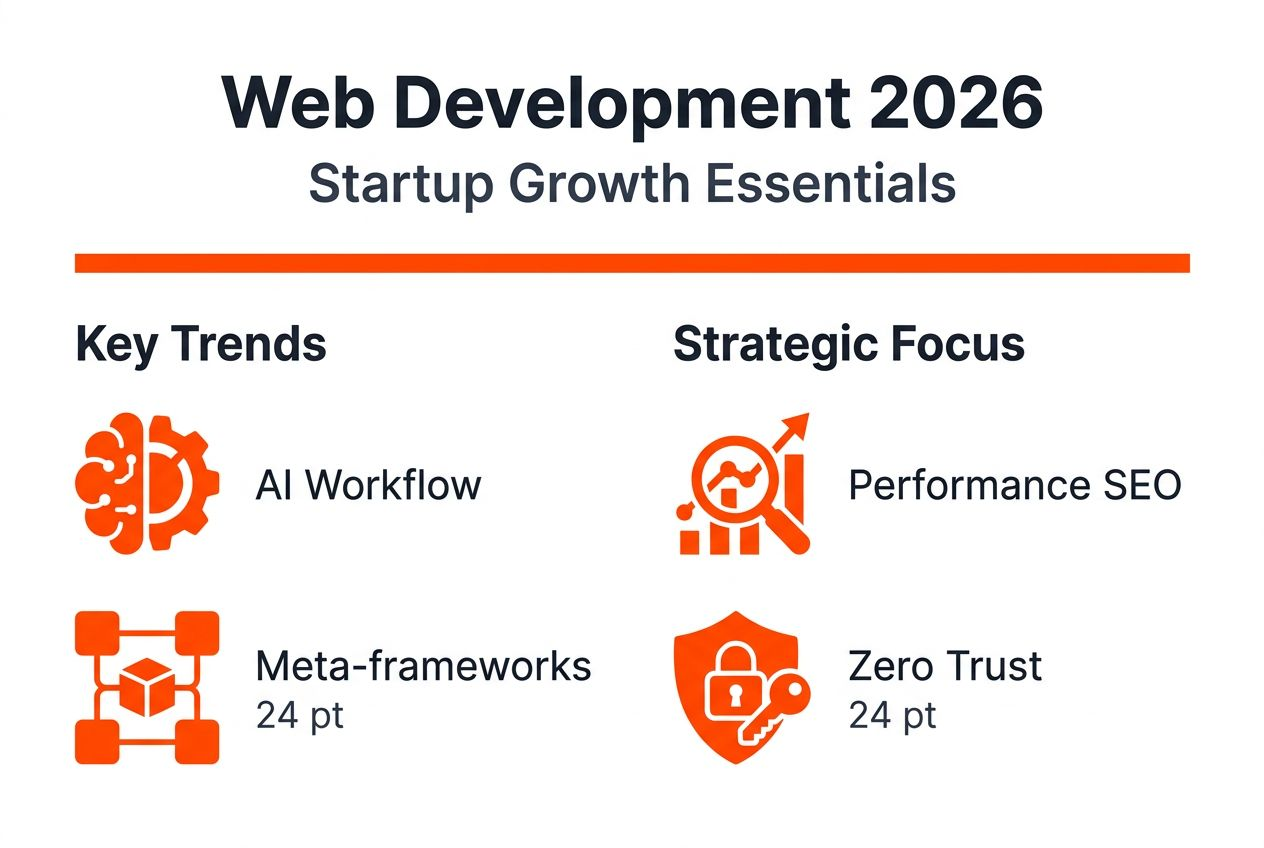
How Better Upgrade Strategies Drive Online Impact
Implementing API-First Development effectively needs careful planning and adherence to specific finest practices. Here are seven finest practices for successful API-First Advancement: Before leaping into development, invest time in thoroughly creating the API.
A properly designed API acts as a solid foundation for the whole application, ensuring that all employee have a clear understanding of how the system will operate. Engage all relevant stakeholdersdevelopers, product supervisors, UX/UI designers, and even end-usersduring the API style stage. Their input can offer valuable insights into user requirements and business requirements, assisting to form an API that truly meets the expectations of its consumers.
Comprehensive documentation is crucial for API-First Advancement. It should not only describe how to utilize the API however also include best practices, examples, and utilize cases. Properly maintained documentation boosts the designer experience, making it simpler for groups to comprehend and incorporate with the API. Frequently upgrade the paperwork as the API progresses to guarantee it stays accurate and beneficial.
Why API-Driven Design Optimizes Project Results
Versioning enables you to introduce brand-new functions and enhancements without breaking existing combinations. By preserving backwards compatibility, you can guarantee that consumers of the API can continue utilizing older variations while new performance is rolled out in updated versions. This practice is vital for keeping stability and trust with your API users.
Implement robust authentication and authorization mechanisms, such as OAuth or JWT, to secure sensitive information and guarantee that just licensed users can access the API. Regularly evaluation and upgrade security practices to address emerging risks and vulnerabilities. By prioritizing security in the style phase, you can mitigate dangers and build trust with your users.
Usage tools that enable for unit, integration, and performance screening of the API. Routine testing also makes sure that modifications to the API do not present regressions.
This data can notify future advancement choices, allowing you to enhance the API for better performance and user experience. Regularly evaluation analytics to recognize patterns and locations for improvement. Numerous leading companies are currently profiting of an API-First technique. Here are a couple of success stories: Spotify embraced an API-First strategy to help with the combination of its services throughout various platforms (iOS, Android, web).
Driving User Engagement Through Advanced Interface Styles
Stripe, a leading payment processing platform, constructed its entire ecosystem around APIs. By adopting an API-First method, Twilio allows developers to build communication functions (SMS, voice, video) into their apps without needing to manage the underlying facilities.
While API-First Development uses various advantages, it is not without its challenges. Organizations adopting this method might experience numerous difficulties that can affect the effectiveness of their advancement processes. Here, we explore seven primary obstacles connected with API-First Advancement: One of the primary difficulties of API-First Advancement is the initial financial investment needed in regards to time and resources.
Organizations might find it challenging to allocate sufficient time for this in advance style phase, particularly if they are accustomed to traditional advancement practices that focus on coding over style. This initial delay can be a point of aggravation for teams eager to see tangible development. Comprehensive documents is a cornerstone of API-First Advancement, however maintaining that documentation can be a significant challenge.
Out-of-date or unreliable documentation can lead to confusion amongst developers and hinder the adoption of the API. Organizations might find it challenging to establish a constant procedure for updating paperwork, which can impact the general designer experience. Transitioning to an API-First approach typically needs a cultural shift within the organization.
This cultural resistance can cause friction and misconceptions among employee. Organizations needs to invest in modification management methods to facilitate this shift, including training, workshops, and ongoing support to help teams adjust to the brand-new technique. Lots of organizations operate with a mix of contemporary and tradition systems, and integrating brand-new APIs with older innovations can position considerable difficulties.
Merging AI and Web Principles for 2026
Organizations might have a hard time to discover reliable methods to bridge the gap between old and new innovations, resulting in increased complexity and possible hold-ups. Addressing these integration challenges requires cautious planning and a clear understanding of both the legacy systems and the new API architecture. API-First Advancement relies on different innovations and tools that streamline the design, development, testing, and management of APIs.
Popular options include: Swagger/OpenAPI: For creating interactive API documents. Postman: Deals functions for API style and testing. API Plan: A markdown-based tool for designing APIs. These platforms handle APIs throughout their lifecycle, offering security and analytics. Secret platforms are: Apigee: Offers API analytics and traffic management. AWS API Gateway: A managed service for developing and releasing APIs.

Latest Posts
How AI Refines Modern Marketing Strategy
Comparing Headless vs Monolithic CMS Platforms
Key Decisions When Choosing the Next CMS